
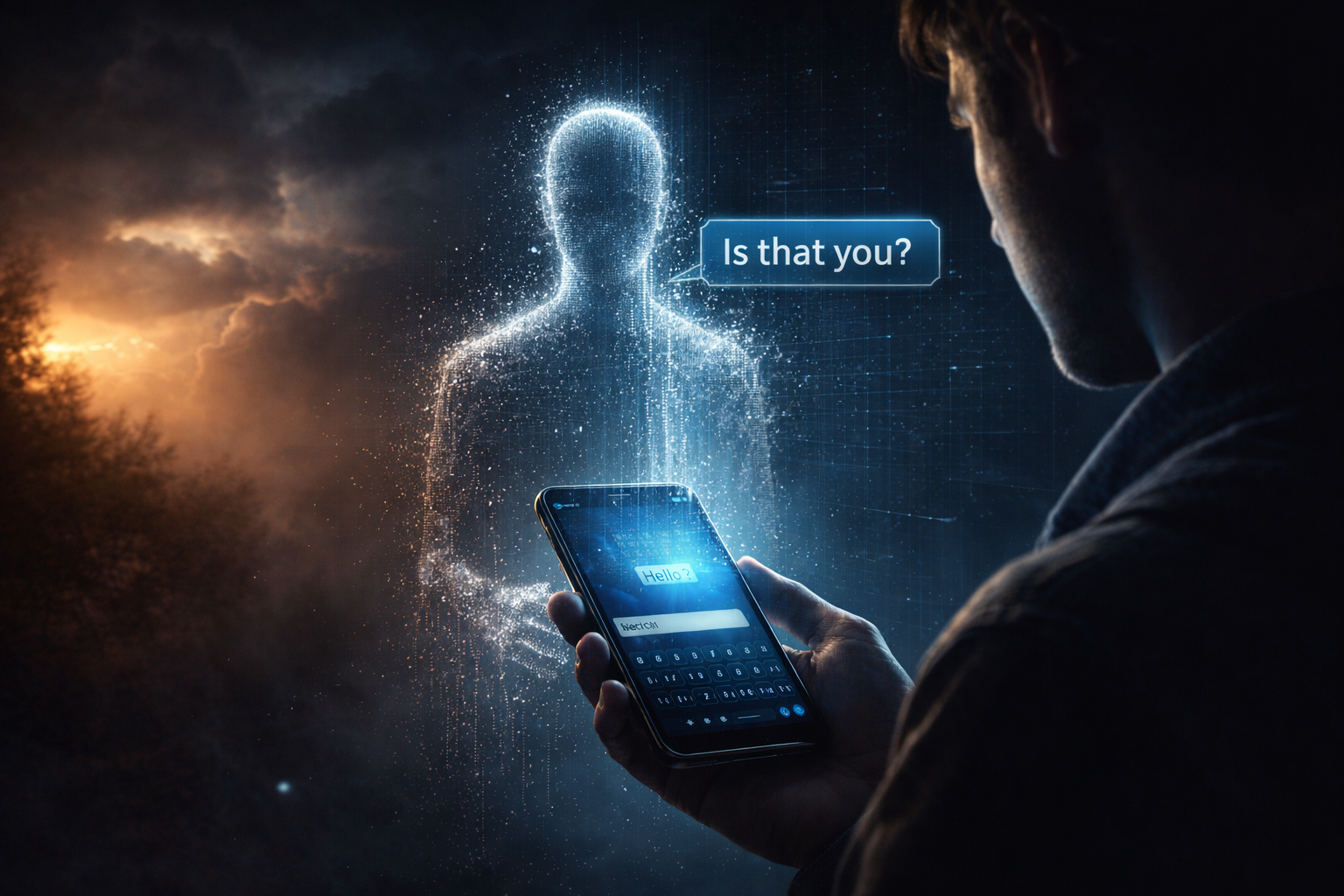
As we see AI being used in every part of our daily lives, the big question is, how far is too far?
A Business Insider report noted that Meta recently filed a patent applicationthat would allow AI to “train a bot to keep post-mortem accounts active.”
So, what exactly does this mean?
According to the patent, the purpose of this technology is for “…simulating the user when the user is absent from the social networking system…when the user takes a long break or if the user is deceased.”
While Business Insider noted that Meta says it has “no plans to move forward” at this time with this technology, it may leave you wondering why the technology giant would want to acquire this patent in the first place if there is no intention of using it.
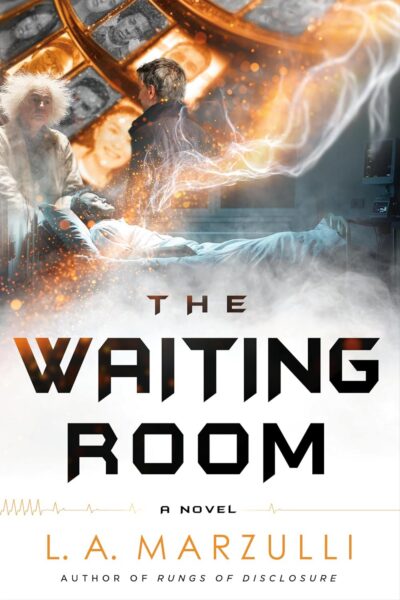
To order L.A. Marzulli’s new book, The Waiting Room, visit Amazon.com.
To keep people from missing their “friends” on the platform who have since died, Business Insider notes that “Meta would essentially create a digital clone of your social media presence.” However, rather than being purely historical or archival information, “The clone can then respond to other people’s content…”
As technology advances, society is being forced to confront a sobering reality: just because something can be created does not mean it should be. When AI moves from simply archiving a person’s words and photos to actively speaking, responding and engaging as if the person were still present, it begins to blur a sacred boundary between the living and the dead. What is being presented as comfort or convenience risks becoming something far deeper—an artificial attempt to recreate human presence beyond death.
Scripture has long cautioned against practices that attempt to bridge that divide, not out of restriction, but out of protection. When technology is used not just to remember the dead, but to make them appear to interact with the living, it begins to resemble a digital form of necromancy—taking a tool and pushing it into territory that imitates forbidden spiritual practices.
The challenge ahead will be whether society uses AI as a tool to honor legacy and memory—or whether it allows innovation to drift into territory that attempts to recreate what God alone has authority over: life, death and the soul.
Abby Trivett is a writer and editor for Charisma Media and has a passion for sharing the gospel through the written word. She holds two degrees from Regent University, a B.A. in Communication with a concentration in Journalism and a Master of Arts in Journalism. She is the author of the upcoming book, The Power of Suddenly: Discover How God Can Change Everything in a Moment. For interviews and media inquiries, please contact [email protected].
