

The recent statement from the Patriarchs and Heads of Churches in Jerusalem is direct and unambiguous. It defines who holds authority over Christian life in the Holy Land, warns against independent Christian actors, and identifies Christian Zionism as a damaging influence with political consequences.
These positions are presented as necessary for protecting unity and stability in a complex region. That framing is understandable. At the same time, the theological implications of the statement are significant, especially in how it addresses authority, Israel and the future laid out in Scripture.
STATEMENT BY THE PATRIARCHS AND HEADS OF CHURCHES IN JERUSALEM#jerusalempatriarchatehttps://t.co/5j7TzGM4Ps pic.twitter.com/IHAMCFtULa
— Jerusalem Patriarchate (@JPatriarchate) February 15, 2025
Authority sounds settled. Scripture says it must always be tested.
The statement asserts that only the historic churches of Jerusalem represent Christians in religious and communal matters. That may sound orderly, but Scripture presents authority as something that is continually measured against God’s Word, not secured by position or history alone.
Throughout the Bible, religious systems claim authority while drifting from covenant truth. God’s response is not silence. He raises voices that point back to what He has already declared. That pattern is consistent, and it becomes especially relevant when statements seek to define who may speak and who may not.
Israel is not a side issue
The statement’s treatment of Christian Zionism reveals a deeper theological divide. Scripture does not present Israel as a temporary or symbolic entity. God’s covenant with Israel is described as unconditional, enduring and central to His redemptive plan.
From Genesis forward, those promises are never revoked. The New Testament does not dissolve Israel’s future; it confirms that prophetic events involving Israel have not yet taken place. Those events are placed in the closing period of history.
When support for Israel is framed primarily as ideology, something essential is lost. The issue is not modern politics. It is whether God’s promises remain intact or are subject to reinterpretation.
Jerusalem changes how statements are understood
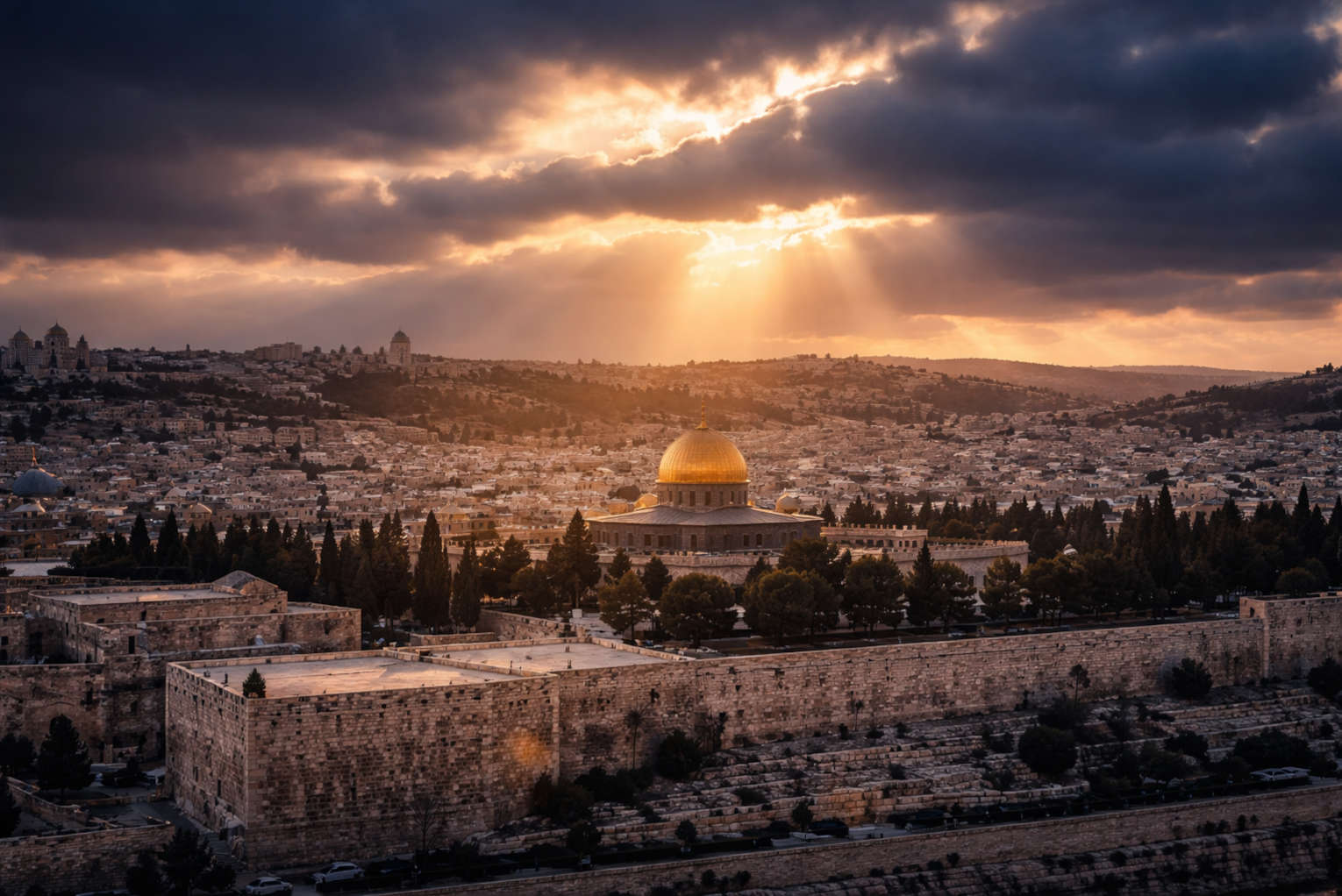
Jerusalem is not a neutral setting. Scripture identifies it as the focal point of end-times conflict, religious authority and divine intervention. Because of that, theological declarations made from Jerusalem carry a weight that goes beyond institutional governance.
Statements emphasizing unity while downplaying Israel’s future role are not minor theological adjustments. They affect how Scripture’s prophetic framework is understood and applied.
Unity does not replace truth
Unity is commanded in Scripture, but it is never separated from truth. The Bible consistently warns that the period leading up to Christ’s return will include religious alignment that prioritizes stability over clarity.
Disagreement over Israel and prophecy does not, in itself, create division. It reveals whether the church is willing to hold fast to what Scripture plainly teaches when those teachings become uncomfortable or controversial.
Why this moment matters
This is not about questioning intent or assigning motives. It is about recognizing that theology shapes how Christians interpret history and anticipate what comes next. Statements that touch Jerusalem, authority, and Israel are never merely administrative.
God’s covenant with Israel remains in place.
Jerusalem remains central to prophecy.
Scripture remains the measure.
These realities make this statement worth paying attention to, not dismissing. Discernment here is not divisive. It is necessary.
Prepared by Charisma Media Staff.